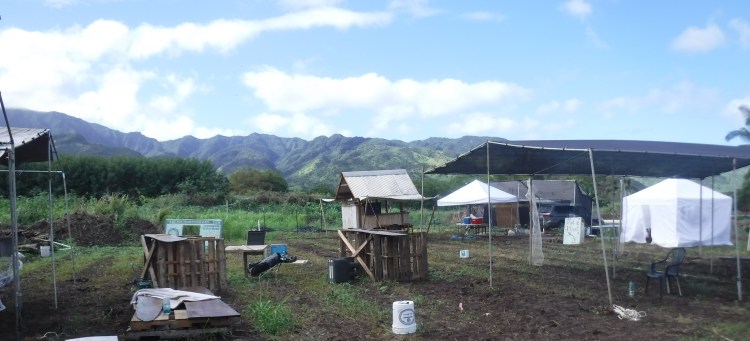
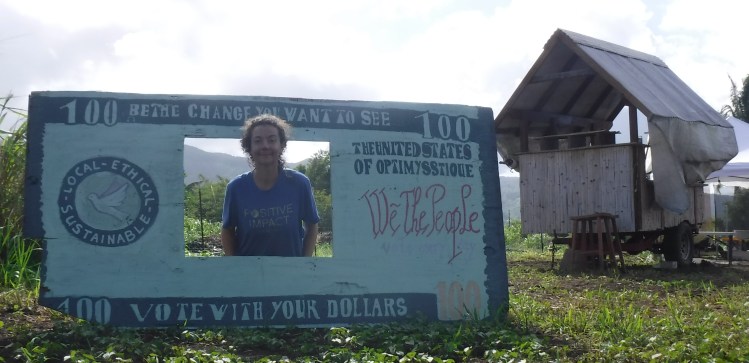
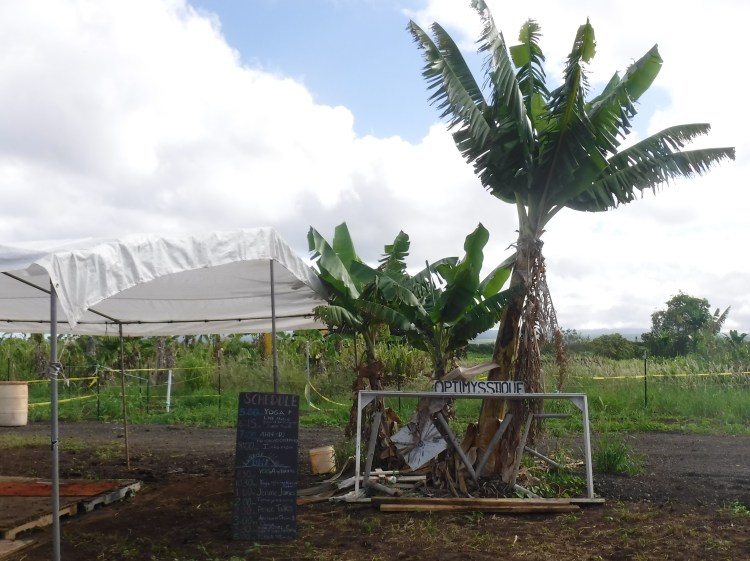
Optimysstique Ulu Festival

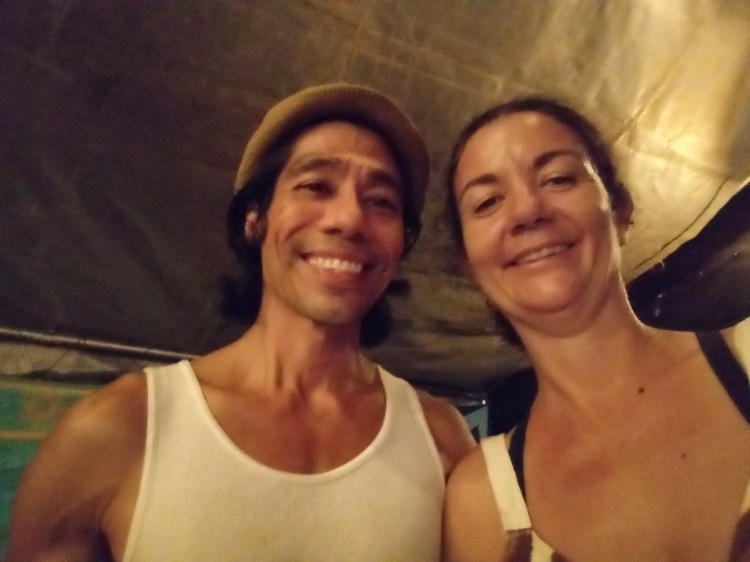
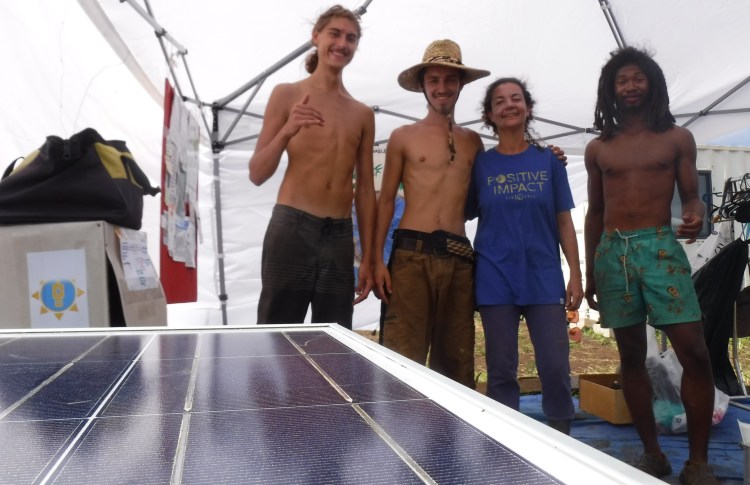
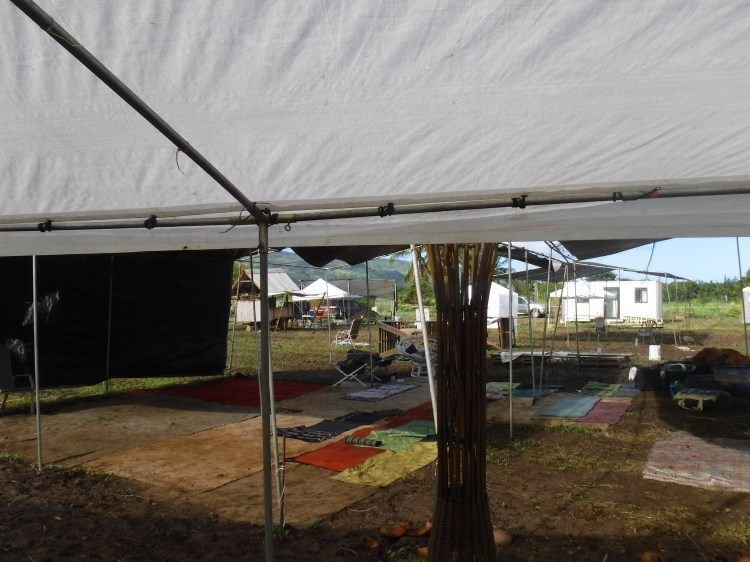
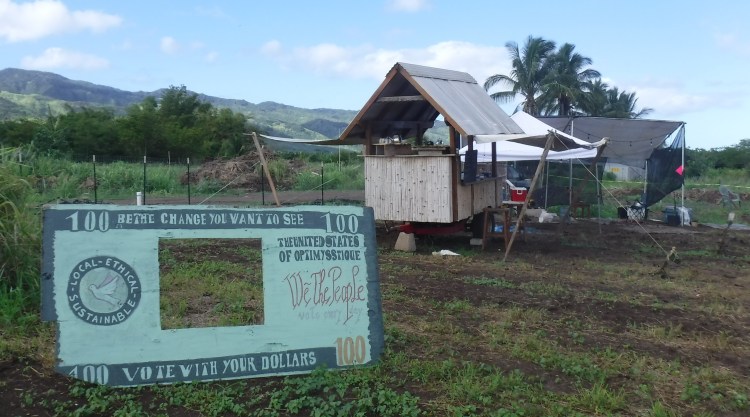
Totally awesome weekend with greatest people, music, local food, fun, dance, peace talks,… So much to savor!

Suggest that you check out all the people that participated to the Optimysstique Ulu festival. Thank you Cab!

Special talks Saturday night from:

Elisabet Sahtouris, Tusi Avegalio,  Kunkun Duan, Michael  Lurvey TCOM was replaced by Roger Epstein.

and on Sunday: Peace Talks with lovely Steffi
DIY Toothpaste and Deodorant

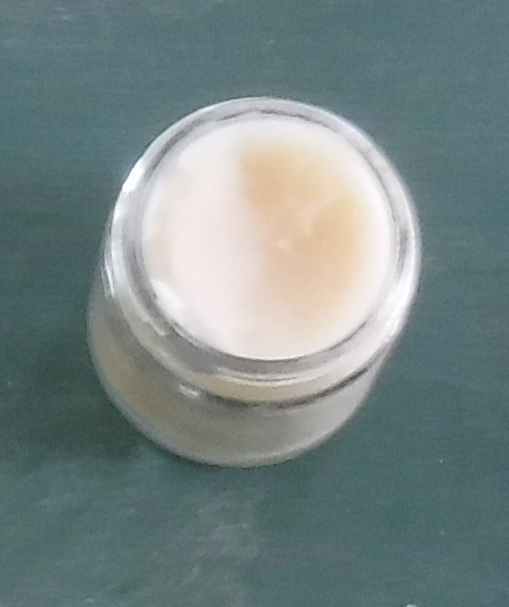
So easy and fast to make your own toothpaste and deodorant!
Time to stop buying plastic containers every time you need a refill. Re-purposed one instead!

The following recipes come from Famille zero-dechet‘s first book with additional inputs from the numerous zero-waste blogs and videos available online. Parentheses below provide french name in case (les mots en parenthese donnent la version francaise des ingredients).

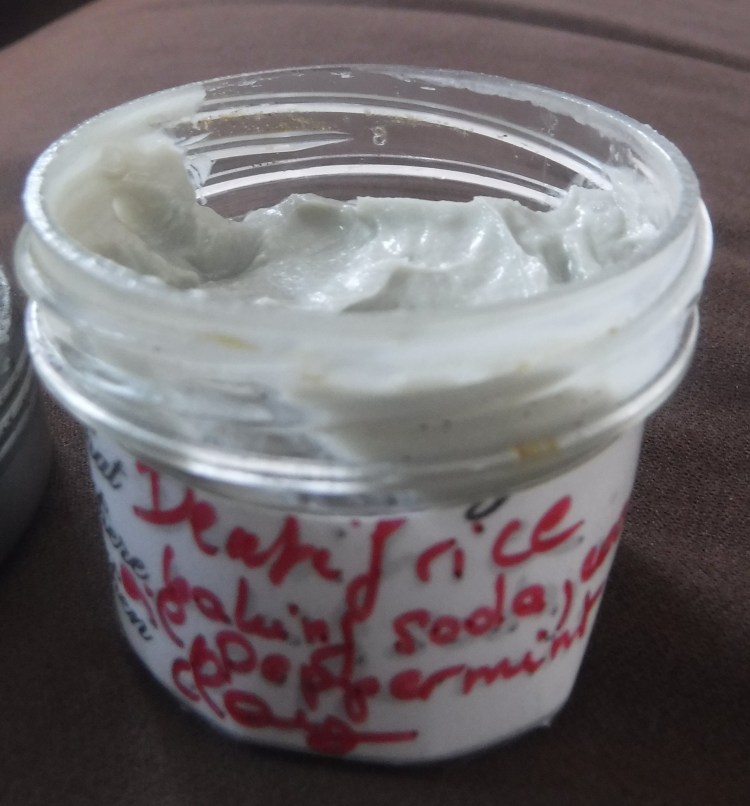
Toothpaste (Dentifrice)

  • 1 tbsp coconut oil
  • 1 tbsp baking soda (bicarbonate de sodium)
  • 3 tbsp clay (argile)
  • 3-5 drops of peppermint essential oil (menthe poivree)

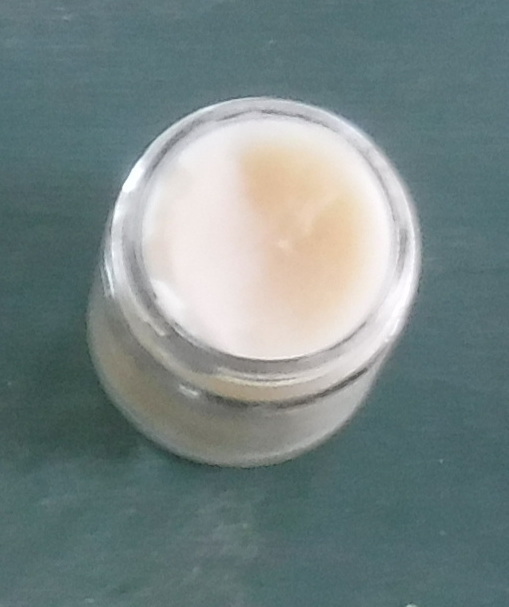
Mix all ingredients and fill up a re-purposed container.

Deodorant 1

  • 2 tbsp shea butter
  • 2 tbsp cornstarch (farine de mais)
  • 1 tbsp baking soda (bicarbonate de sodium)
  • 15 drops of essential oils

Heat up shea butter to liquid, then add all ingredients. Contain in re-purposed container.

Deodorant 2

  • 40 g coconut oil
  • 10 g bee wax
  • 30 g baking soda (bicarbonate de sodium)
  • 20 g arrow root or cornstarch
  • 15 drops of essential oils

Heat up beewax and coconut oil to liquid, then add all ingredients. Contain in re-purposed container.

Which essential oils for deodorant? from Famille zero-dechet‘s first book

  • palmarosa: against sweat smell
  • lavender (lavande): soothing/healing
  • clary sage (sauge sclaree): reduce excessive sweat
  • tea tree: against bacteria
  • peppermint (menthe poivree): refreshing
  • ylang-ylang: my additional oil because I love the smell 🙂

From refillable to recycling in US

Eh Bien Recyclez Maintenant, Article from Le Monde Diplomatique, February 2019, page 3.

The pdf document above explains how US went in less than 100 years from refillable containers handled by the industries to containers put onto the responsibilities of the consumers to be recycled.
And yes it is in french. I will provide a short summary in English asap.
If you cannot wait, don’t worry check on the references in the pdf they are all in english! 🙂
Merci ma soeur ❤

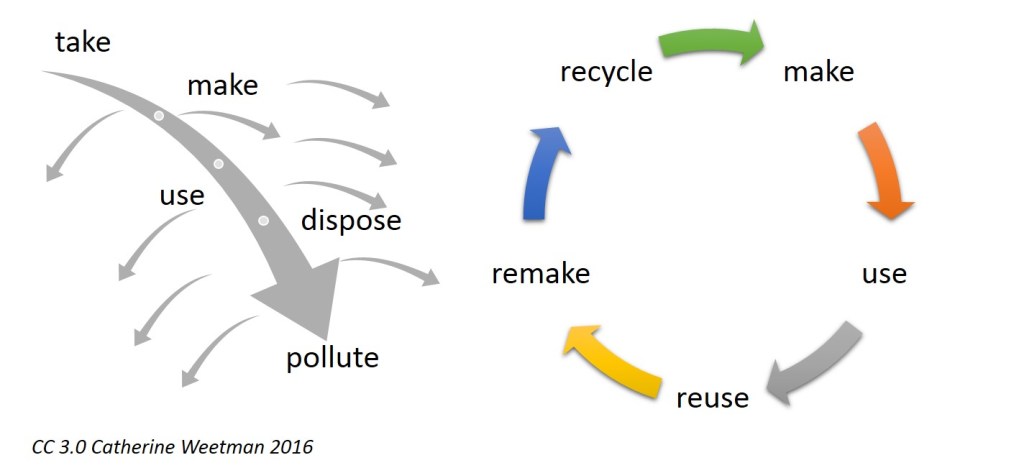
https://en.wikipedia.org/wiki/Circular_economy

DYI Composting Tumbler

Hardware: find it used (side street, craigslist or ReUse Hawaii)

  • 55-gallons plastic container (Donation – it was considered as waste!!)
  • plastic pipe cut in 2 (found in the back of the house)
  • pieces of wood, handles, screws and bolts, pipe or curtain bar (ReUse Hawaii)
  • Tools: circular saw, drill, … Remember you don’t need to buy tools just go to the Honolulu Tool Library!
  • Compost is a mix of 1/3 of food scraps with 2/3 of carbon. For the carbon, I use cardboard boxes or office papers that I shredded with a used shredder found at ReUse Hawaii. Other carbon are dried leafs from your yards.
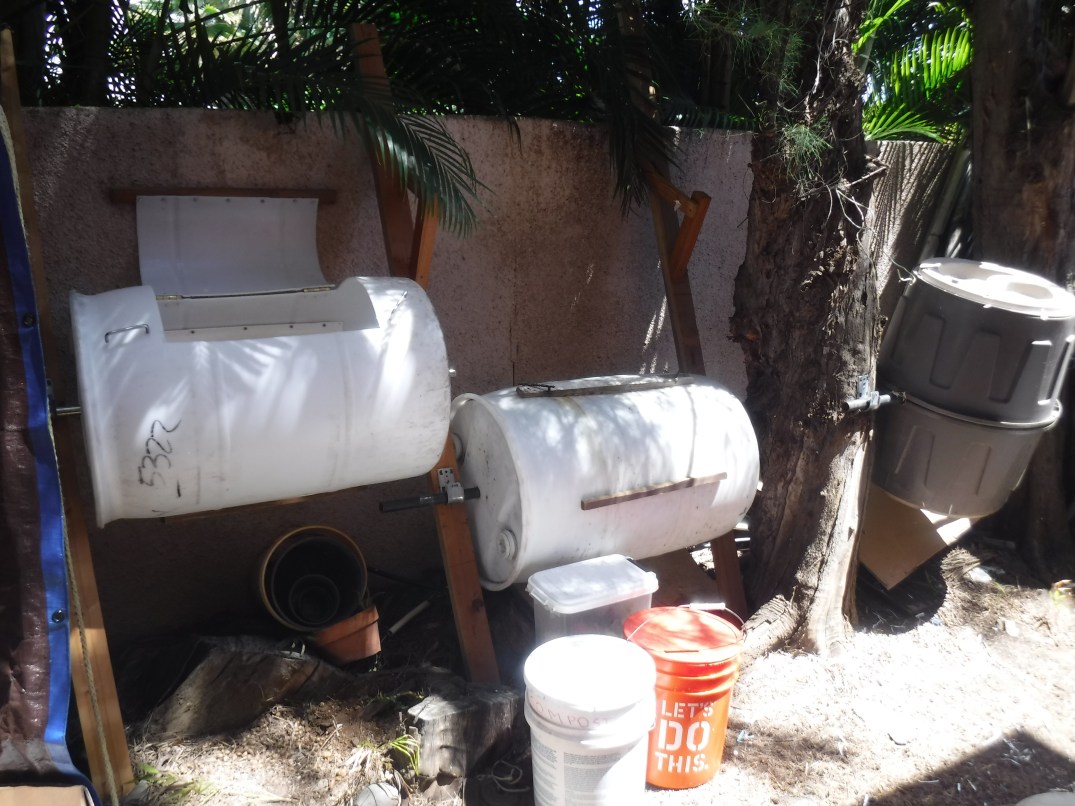
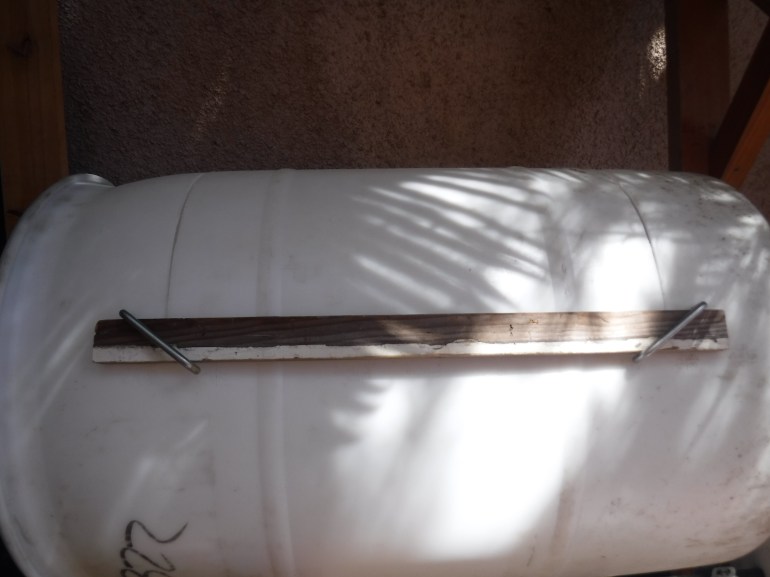
Re-purposing 55-gallon container into composting tumbler.
Tumblers are transportable, re-purposing plastic waste, reducing eventual odors and rodent attacks, therefore perfect solution to compost in small yard area even in town.
Low budget solution using old wood, old plastic pipe, old handles, and cheap screws and bolts either free or bought at ReUse Hawaii.

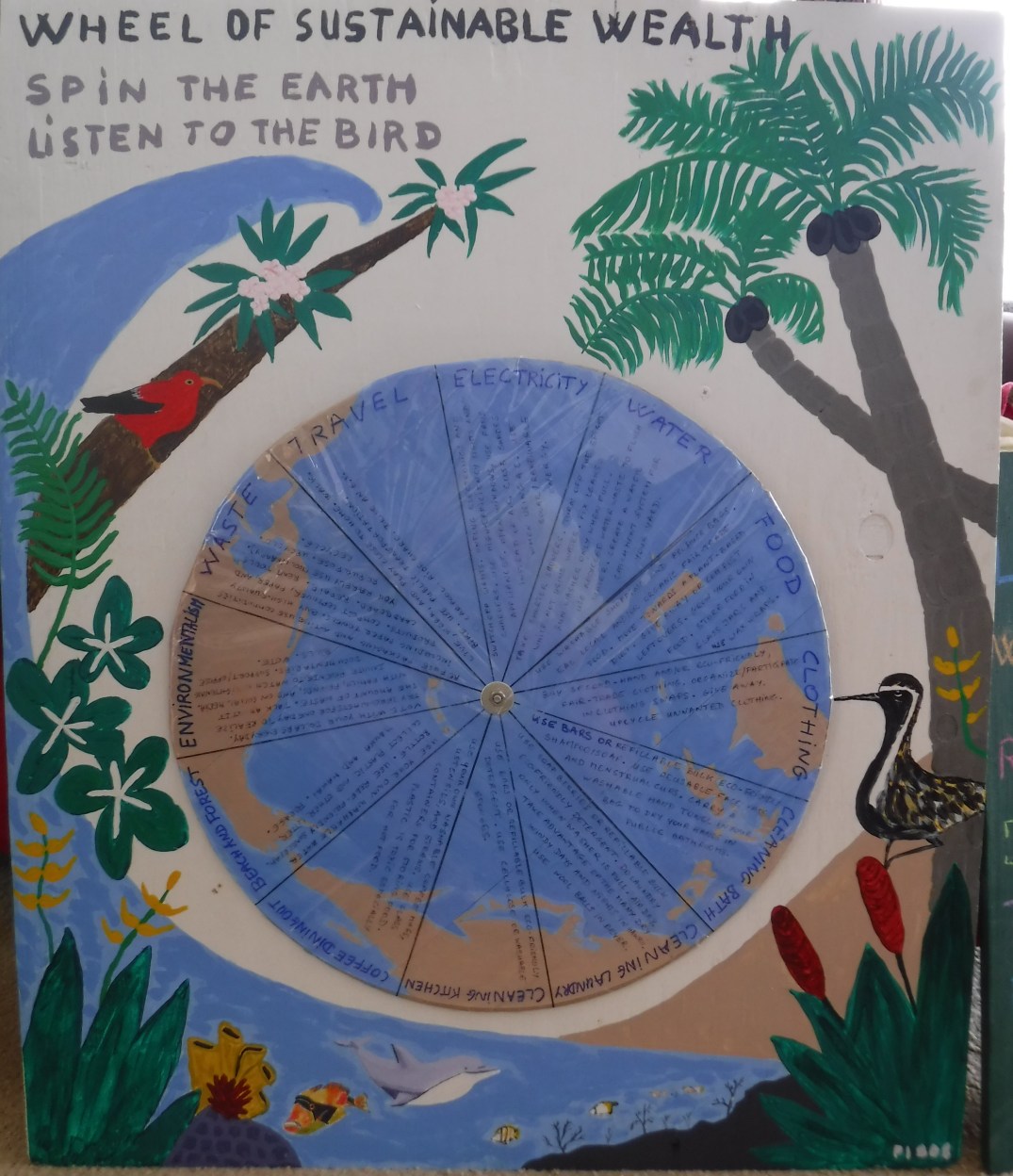
Wheel of sustainable wealth

The wheel presents the different steps to take to reduce your carbon footprint breaking it down into 12 categories:

  • Cleaning Bath: Use bars or refillable bulk eco-friendly shampoo/soap. Use reusable face pads and menstrual cups. Carry a washable hand towel in your bag to dry your hands in public bathrooms.
  • Cleaning Laundry: Use soap berries or refillable bulk of eco-friendly detergent. Do laundry only when washer full. Air dry. Take advantage of the many dry windy days and nights in Hawaii. Use wool balls in dryer.
  • Cleaning Kitchen: Use dish bar or refillable bulk eco-friendly detergent. Use cellulose or washable sponges.
  • Coffee – Dining out: Use your own washable coffee mugs, utensils and straws. Use glass containers for storing food. Plastic is toxic especially for hot food.
  • Beach and Forest: Use your own washable water bottle. Use reef-friendly sunscreen. Collect plastic and other litter mauka and makai. Forage.
  • Social Environmentalism: Vote with your dollars. Try zero-waste for one day to realize the mount of waste. Talk about it with your friends and on social media. Invite friends to watch enlightening documentaries. Support/oppose bills. Vote.
  • Waste: Refuse packaging and 1-time use commodities including paper towels. Buy high-quality products. Compost leftover, paper, and cardboard. Repair. Rent tools you rarely use (tool library). Repurpose. Upcycle. Recycle.
  • Travel: Live, work, and play close to home. Walk. Bike. Use public transportation. Carpool. Rideshare. Drive an EV.
  • Electricity: Switch off lights. Unplug electronics and chargers. Use high-efficiency lights and appliances. Open windows, use fans instead of A.C. Close shades when using A.C. Use solar/renewable energy.
  • Water: Take shorter showers. Turn off the spigot while not using water. Fix leaks. Run washer only when full. Use recycled water waste to flush toilet. Create a water catchment system for your yard.
  • Food: Use washable shopping and produce bags. Eat local and/or organic, fair-trade food. Move towards a plant-based diet. Give away or compost leftovers. Grow your own food. Store food in glass jars and wax wraps.
  • Clothing: Buy second-hand and/or eco-friendly, fair-trade clothing. Organize/participate in clothing swaps. Give away. Upcycle unwanted clothing.